Talent acquisition insights on hybrid car tax incentives
Hybrid Car Tax Incentives in Vietnam, Thailand & Indonesia: Which Market Wins?
Hybrid vehicles are racing ahead in Southeast Asia, but the tax rules that could make—or break—their price tag differ wildly across the region. From Vietnam’s fuel‑efficiency discounts to Thailand’s aggressive excise cuts and Indonesia’s luxury‑sales‑tax sweeteners, the incentives landscape is anything but uniform. Curious which country offers the deepest savings for buyers and the biggest upside for manufacturers? Keep reading.
Quick‑look Highlights
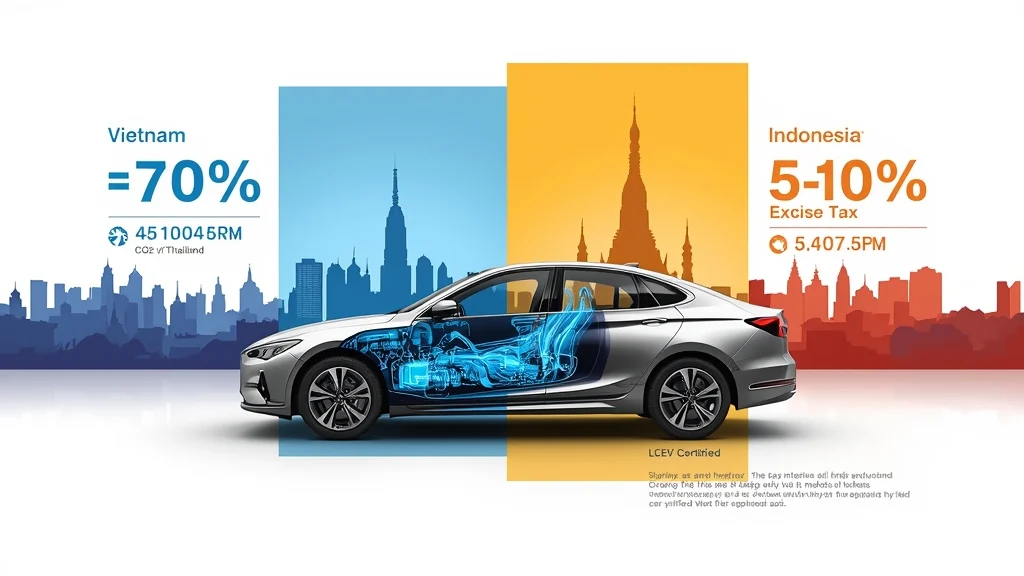
- Vietnam: From 2026, hybrid cars enjoy a 70 % reduction on the standard Special Consumption Tax (SCT). The discount hinges on a fuel‑efficiency “R‑value” that must be ≤ 70 % of a comparable ICE model.
- Thailand: Hybrid models are taxed at just 5‑10 % of the regular excise rate, translating to a 30‑50 % effective discount. Benefits are tied to CO₂ limits, electric‑only range for PHEVs, and a mandatory 17‑45 % local‑parts quota plus an $84 M investment plan.
- Indonesia: Hybrids fall under the Luxury Sales Tax (PPnBM) at under 10 % of the rate applied to conventional cars. Qualification requires local assembly, LCEV certification, strict fuel‑consumption caps, and ≥ 40 % local content.
Why This Matters to You
- Buyers: Understanding the exact tax break can shave tens of thousands of dollars off your next hybrid purchase. A lower hybrid car tax means cheaper ownership and faster ROI on fuel savings.
- Manufacturers: The depth of each country’s incentive directly influences where automakers set up production lines or launch new models. Thailand and Indonesia reward heavy localisation, while Vietnam offers a more flexible path for import‑heavy brands.
- Investors & Policymakers: The varying structures—SCT, excise, PPnBM—highlight how each government balances environmental goals with domestic industry growth. Tracking these policies helps anticipate future market shifts and regulatory tweaks.
Bottom Line
Thailand and Indonesia currently lead the region with the most generous hybrid car tax incentives, but they come with stricter localisation and emissions requirements. Vietnam’s approach is simpler and less aggressive, focusing solely on fuel‑efficiency gains without demanding local production. For anyone eyeing Southeast Asia’s booming hybrid market, weighing the total cost of ownership against regulatory commitments is essential.
Ready to dive deeper into the numbers, eligibility rules, and strategic implications? Read the full analysis here → https://carwikihub.com/blogs/hybrid-car-tax-incentives-vietnam-thailand-indonesia-3/
Looking for more insights on eco‑friendly car tax trends across the region? Explore the complete guide now and stay ahead of the curve.
Hashtag : #carwikihub #HybridCarTax #SoutheastAsiaAuto #AutoIncentives #GreenMobility #TalentAcquisition #HRInsights


Comments
Post a Comment