Bike Lane Design Secrets Boost Urban Safety for Cities
World Leaders Reveal Secrets to Safer Bike Lanes
Cities that prioritize cyclists aren’t just adding painted lines—they’re building a new kind of urban mobility. From Amsterdam’s buffered paths to Copenhagen’s smart intersections, the world’s most bike‑friendly metropolises are sharing the design tricks that dramatically cut crashes and keep traffic flowing smoothly. Curious how these standards can be applied to your own streets?
What the leading cities are doing right
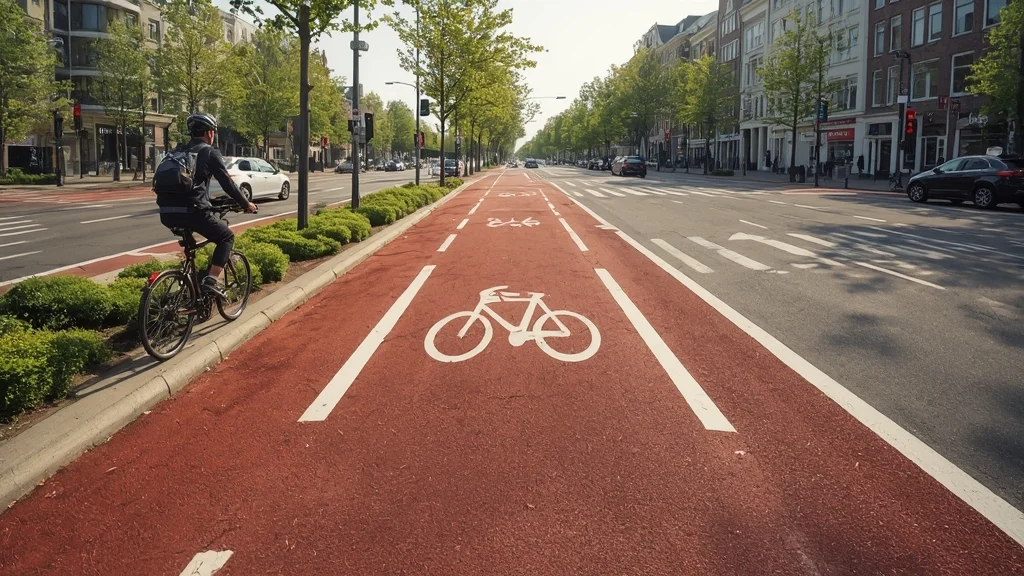
- Physical separation – Low‑profile barriers, curbs, or landscaped buffers keep bikes out of motor traffic, eliminating side‑swipes.
- Generous width – Major routes boast 2.2–2.5 m of clear space, allowing two‑way bike traffic without squeezing.
- High‑traction surfaces – Textured asphalt, colored concrete, or anti‑slip paint give cyclists confidence in rain or shine.
- Smart intersections – Dedicated bike lights, “bike boxes” and advance striping guide cyclists through junctions safely.
- Speed‑calming before crossings – Raised islands and narrow lanes force cars to slow, giving riders extra reaction time.
These elements are repeated in the Netherlands, Denmark, Germany and a growing number of U.S. municipalities, proving that safe bike lane design isn’t a niche experiment—it’s a global standard.
Why this matters to you
- Reduced accidents: Cities that adopt these practices see crash rates drop by up to 40 %.
- Better traffic flow: Separating bikes from cars prevents bottlenecks, keeping commuters moving faster.
- Eco‑friendly commuting: Safer infrastructure encourages more people to choose a bike over a car, cutting emissions.
- Economic boost: Healthier citizens and fewer accidents translate into lower public‑health costs and higher retail activity along bike‑friendly corridors.
If your town is looking to attract cyclists, improve safety, or simply modernize its streets, these proven strategies provide a clear roadmap.
Ready for the full deep‑dive?
The complete article breaks down each design element, shares real‑world case studies, and offers a checklist you can take to your local council. Read the full guide on safe bike lane design here.
Discover how to turn everyday streets into world‑class cycling corridors—your community (and your commute) will thank you. 🚲✨
Hashtag : #carwikihub #BikeLaneDesign #CyclingSafety #UrbanPlanning #SmartIntersections #HighTraction #CityMobility


Comments
Post a Comment