Japan’s Reverse Import Surge Breaks 30‑Year Record
Japanese Car Manufacturers Smash 30‑Year Reverse‑Import Record – What It Means for You
Japan’s auto giants are doing the unexpected: shipping India‑made models back to the home market in record numbers. The surge is reshaping prices, model line‑ups, and even the future of electric cars in Japan. Curious how this shift could affect the next car you buy? Keep reading.
Key Highlights
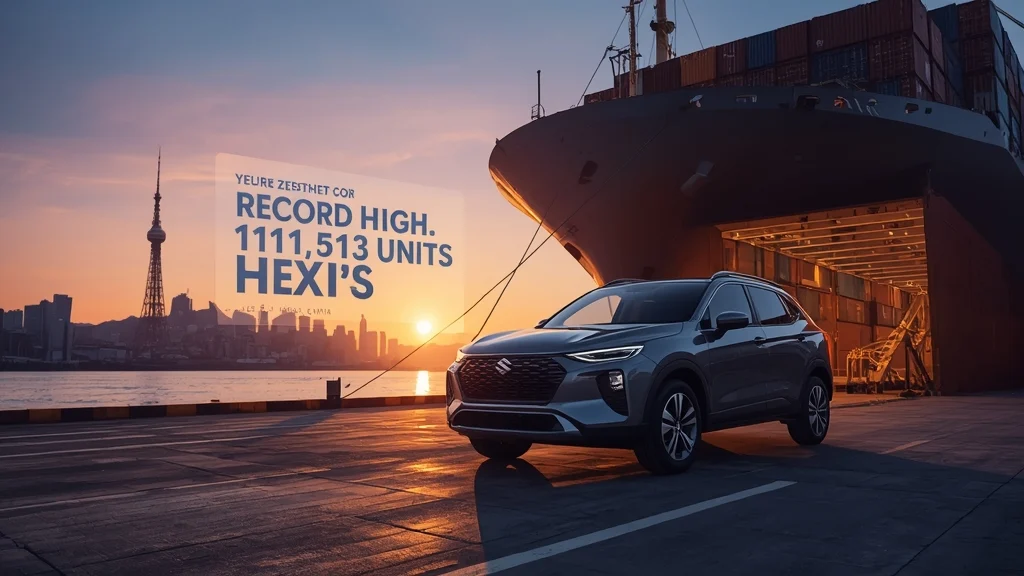
- 111,513 reverse‑imported vehicles in 2023 – a 19 % jump from 2022 and the highest level since 1995.
- Suzuki leads with 43,266 units, driven by the India‑built Fronx SUV and an upcoming Jimny Nomade four‑wheel‑drive.
- Honda holds steady at 37,022 cars, mainly the compact WR‑V SUV, and plans to bring its first electric model, the 0 Alpha, from India by FY2027.
- Nissan and Toyota see declines (‑33 % each), signaling that not every brand is embracing the trend equally.
- Future U.S. imports – Toyota, Nissan and Honda are eyeing American‑produced models (Camry, Tundra, Highlander) for the Japanese market, hinting at a broader global sourcing strategy.
Why This Matters
- Lower Prices, More Choices – By leveraging low‑cost manufacturing hubs like India, Japanese car manufacturers can offer competitively priced SUVs and upcoming EVs without compromising brand reputation.
- Long‑Term Strategic Shift – Reverse imports are moving from a short‑term fix to a permanent component of Japan’s automotive supply chain, influencing everything from dealer inventories to after‑sales service.
- Consumer Impact – Japanese buyers will see a wider array of models, including affordable off‑road vehicles and early‑stage electric cars that were previously unavailable domestically.
The Bigger Picture
The record‑breaking reverse‑import numbers illustrate a decisive pivot toward globalized production. As labor costs rise at home, manufacturers are turning to overseas plants—particularly in India—to stay price‑competitive. Simultaneously, trade talks with the United States are easing certification hurdles, opening the door for more American‑made models to roll into Japanese showrooms.
For industry watchers, this trend signals a future where “Made in Japan” may increasingly mean “assembled abroad, shipped back home.” For shoppers, it means more options and potentially better value on the next vehicle you consider.
Ready to dive deeper into the data, brand‑specific strategies, and what this could mean for the next car you drive? Read the full article here and stay ahead of the automotive curve. 🚗💡
Hashtag : #CarWikiHub #JapaneseCars #ReverseImport #AutomotiveTrends #Suzuki #Honda #Nissan #Toyota


Comments
Post a Comment