Safe Bike Lanes Guide Shows How Cities Boost Cycling Safety
How Cities Around the World Build Safer Bike Lanes – Proven Strategies You Can Apply Today
Cities from Amsterdam to Portland are turning ordinary streets into cyclist‑friendly corridors. What separates a dangerous lane from a protected, high‑traffic artery? The answer lies in a handful of design principles that any municipality—or even a community group—can replicate.
What the world’s best‑in‑class bike lanes have in common
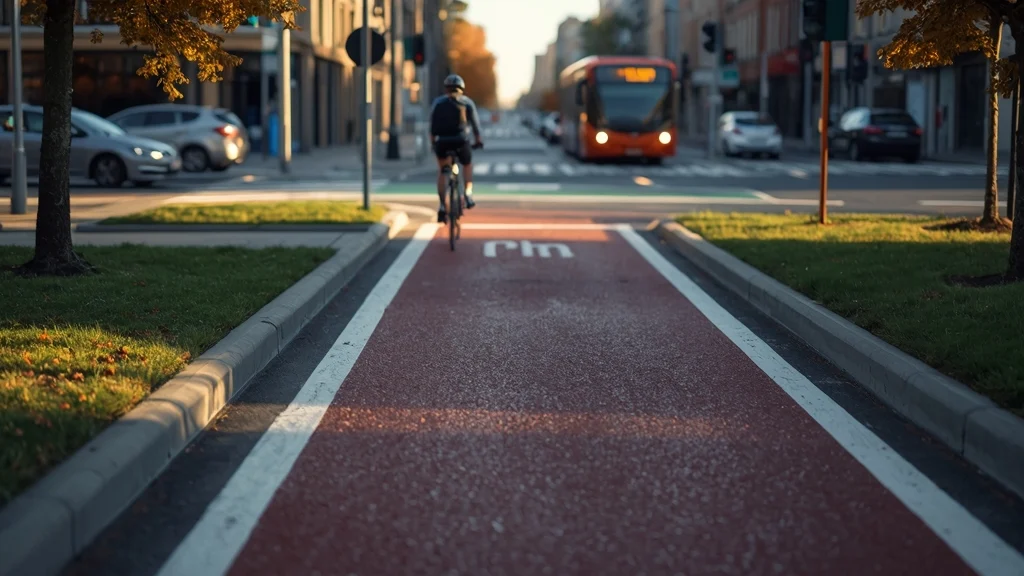
- Physical separation – Curbs, grass strips, low‑profile barriers, or parked‑car buffers keep cyclists out of the vehicle flow, creating a clear buffer that dramatically lowers crash risk.
- High‑traction surfacing – Textured asphalt, coloured concrete, or paint mixed with anti‑slip granules provide consistent grip in wet and dry conditions, reducing skidding during braking or cornering.
- Smart intersection treatment – Bike boxes, advance signage, colour‑coded cues, and dedicated signal phases give cyclists priority at the most hazardous points on the network.
- Generous lane width – International guidelines recommend a minimum of 2 m (about 6½ ft) for protected lanes, with many European “cycle superhighways” exceeding 3 m to accommodate overtaking and mixed‑traffic speeds.
Real‑world examples that set the benchmark
| City | Key Feature | Impact | |------|-------------|--------| | Netherlands | Nationwide grid of 500 km+ protected lanes, grass‑strip buffers, rough‑textured asphalt | 35 % of daily trips are by bike; dramatically lower cyclist injuries | | Copenhagen | 2.2‑2.5 m wide lanes with rigid kerbs; “cycle superhighways” linking suburbs to city centre | High commuter uptake and world‑renowned safety record | | Portland / Seattle / New York | Retrofit of legacy painted lanes with bollards, planters, and bike‑box intersections | Faster adoption of protected bike lanes across the U.S. |
Why these tactics matter to you
If you’re a city planner, community advocate, or everyday rider, understanding bike lane design standards can help you push for changes that make streets safer for everyone. Proper cycling infrastructure not only cuts injuries but also encourages more people to trade cars for bicycles, lowering congestion and emissions. By adopting proven bike lane materials and intersection layouts, you can accelerate the shift toward a healthier, greener urban environment.
Ready to dive deeper?
Discover the full list of global best practices, detailed design guidelines, and step‑by‑step implementation tips in the complete article: Safe Bike Lane Design – Global Best Practices.
Want quick wins for your neighborhood? Explore how protected bike lanes boost cycling safety and start the conversation with local officials today.
Implementing these proven strategies can transform ordinary streets into safe bike lanes that attract riders of all ages. The road to a more bike‑friendly city starts with informed design—take the first step now.
Hashtag : #carwikihub #BikeLanes #UrbanCycling #CyclingInfrastructure #SafeStreets #CityPlanning #TransportationDesign #ActiveMobility


Comments
Post a Comment